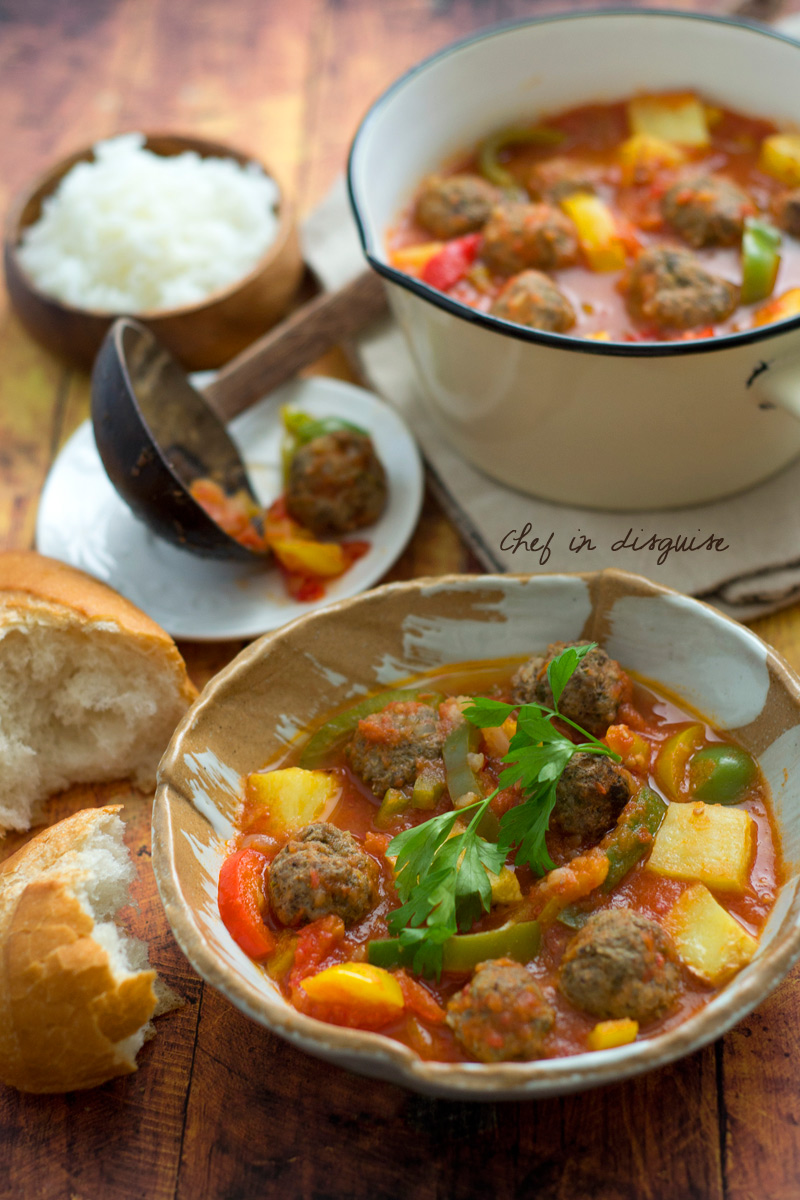
This Dawood basha recipe was actually one of the earliest recipes I have shared on this blog. It is one of my kids’ all time favorites! but at the time, my pictures were faaaaar from perfect and though I still learn something new with every picture I take, I am really proud of how far my photography has come. (Try not to laugh when you click back to the old pictures, my kids think it is a joke and have been making fun of that picture all day lol)


dawood-basha

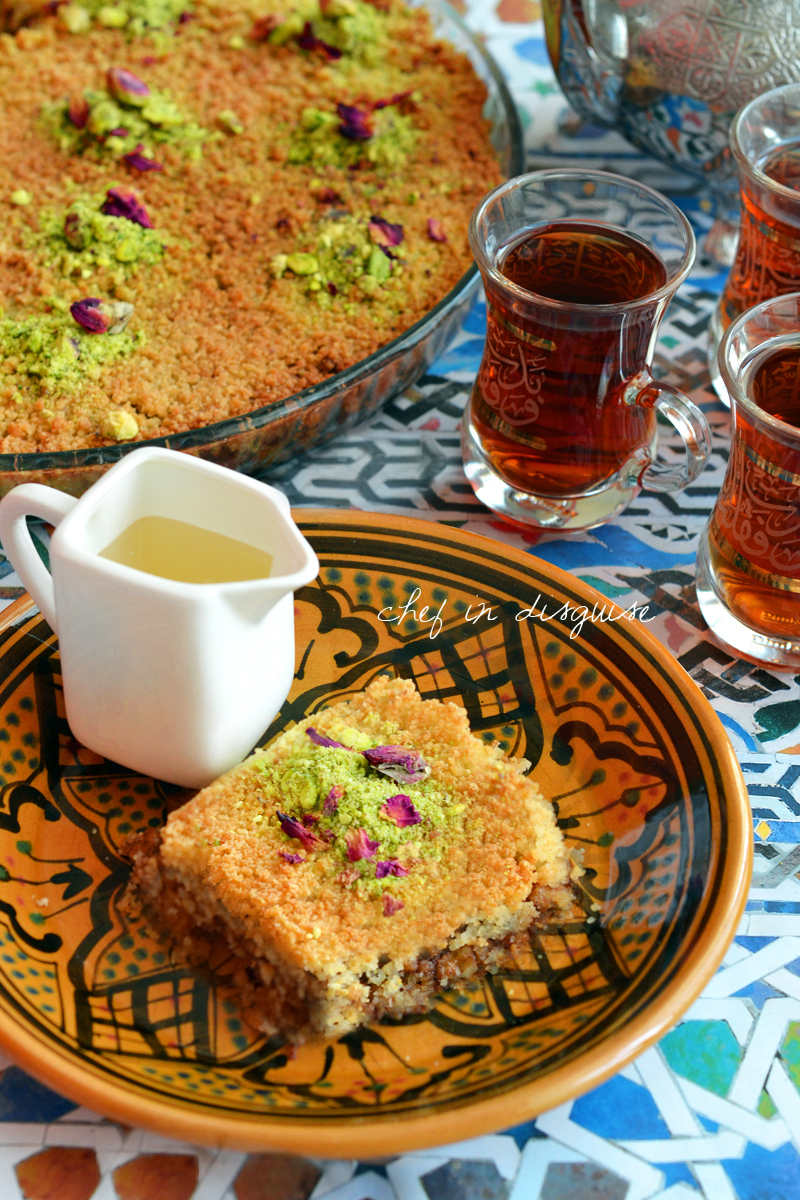
Knafeh has got to be the recipe I get the most questions about and requests for! and that’s no wonder because  it is one of the most addictive Arabic and middle eastern desserts.

What I try to explain to most people when they ask me is that knafeh is not a single dessert. It is actually a broad category of desserts. There is knafeh naameh (which means smooth knafeh and that refers to the texture of the dough used to make the crust), knafeh khisneh (rough knafeh)-both the naameh and khisneh are filled with cheese-, knafeh othmanieh (Ottomali Knafeh) which is filled with ashta or cream, knafeh asabe3: rough knafeh dough  formed into mini logs filled with cheese or cream ,and last but not least,today’s recipe: Arabic knafeh or Gazan knafeh which is filled with walnuts and spices.

Knafeh ghazawieh (Arabic knafeh)

Bruschetta “pronounced bru’sketta” is a wonderful antipasto (starter dish) from Italy. Grilled bread is rubbed with garlic, drizzled with olive oil and topped with a variety of toppings that range from humble to luxurious: tomatoes, herbs, cheeses, flaked meat, marinated vegetables, it is really up to your taste and imagination. The only rule is, use something fresh, in season and have fun!

Since I often write about Arabic and middle eastern recipes and try to explain the link between the name and the actual recipe, I have developed the habit of looking up word roots! The noun bruschetta comes from the Roman dialect verb bruscare, meaning ‘to roast over coals’. It is believed that the dish probably originated in ancient Rome, when olive growers bringing their olives to the local olive press would toast slices of bread to sample their fresh-pressed oil.
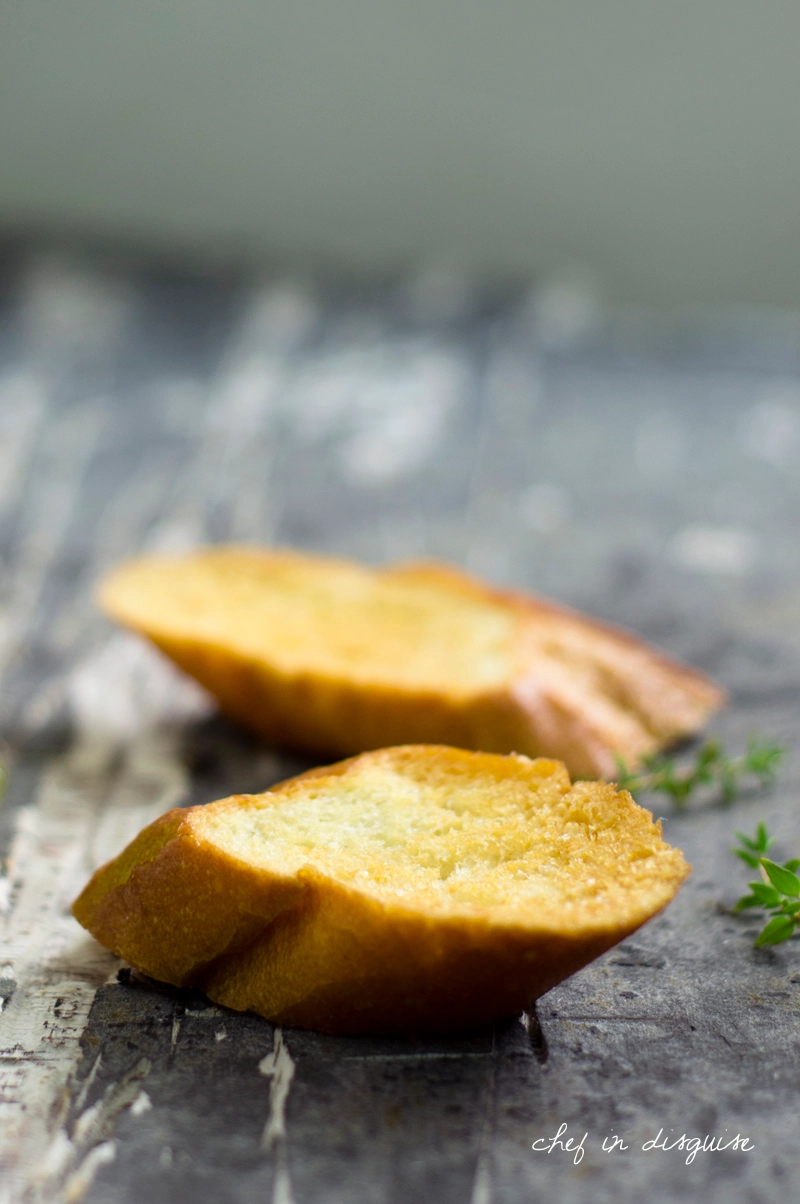
Bruschetta grilled bread.jpg

The most popular form of bruschetta uses a topping of tomatoes, basil and occasionally mozzarella cheese and though this is a heavenly combination, in my book the ultimate tomato-herb combo is tomato, mint and a touch of lemon juice.

As a kid this was THE salad on my mum’s Ramadan table. Fresh juicy tomatoes, loads of fresh fragrant mint, lemon juice, a dash of salt and a drizzle of olive oil. It does not get any simpler than that but try scooping some with a piece of warm pita bread ,the flavors are mind blowing.
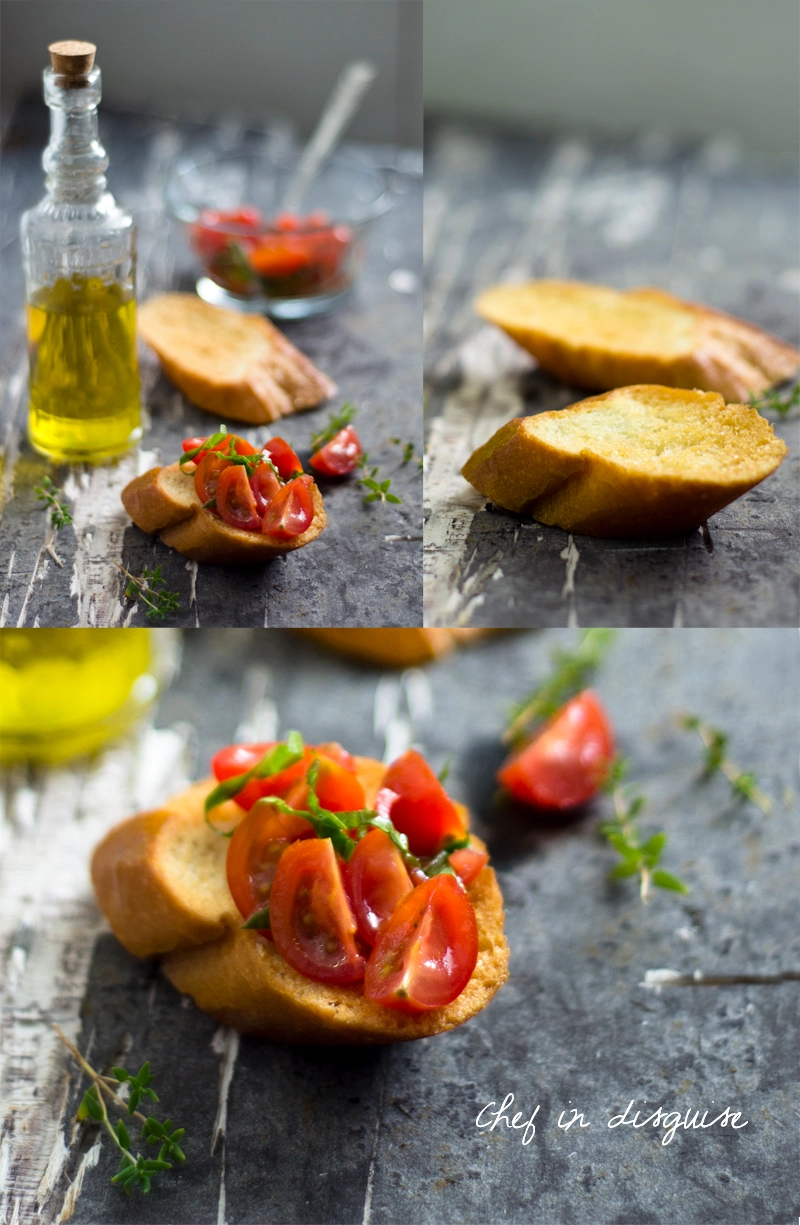
bruschetta with tomatoes and mint.jpg

Isn’t it fascinating how simple ingredients like flour, butter, a pinch of salt and a splash of milk can be used to produce so many different culinary creations?

The more recipes I  learn from different cuisines and cultures, the more enchanting I find human creativity to be. The recipes that come from different cultures carry a bit  of that culture’s essence or soul if you will, making the experience of making those recipes “and of course eating the results” deeper, more profound and more enjoyable.

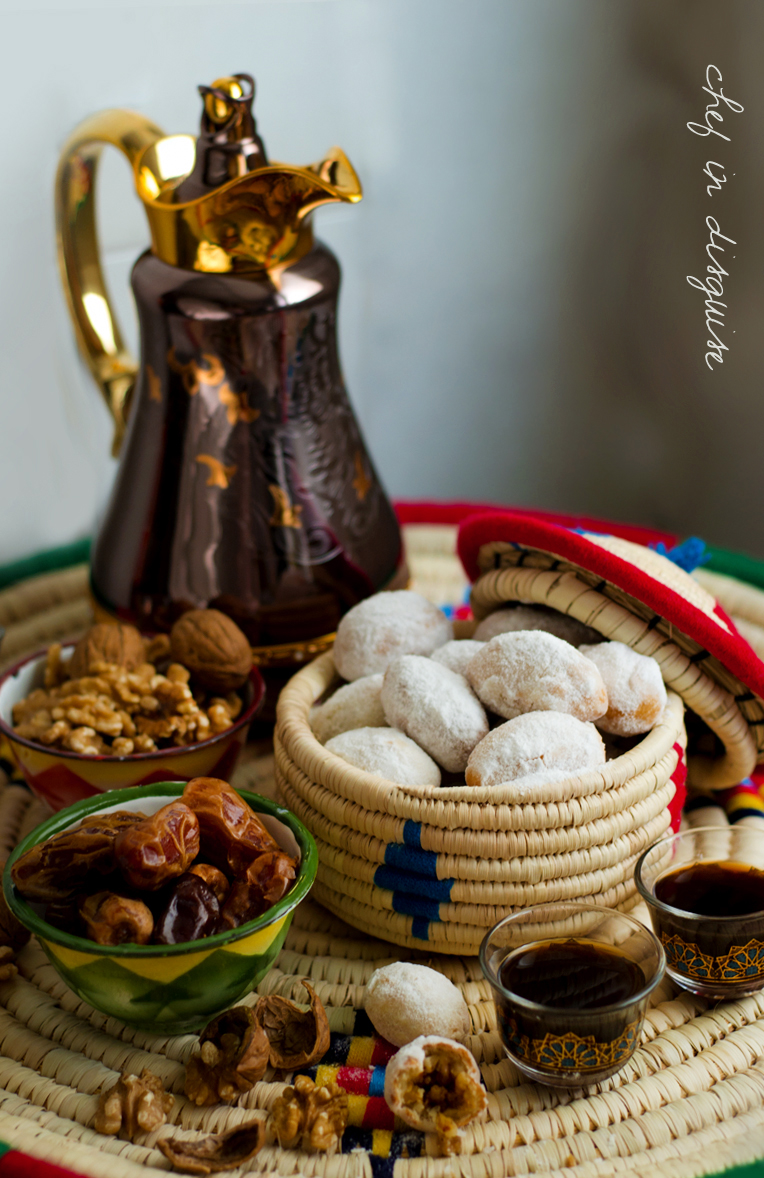
The February Arabic flavor recipe comes from Kuwait and my experience with exploring the Kuwaiti cuisine has been quite similar to  other Arabic Gulf cuisines, I find myself particularly drawn to the spice profiles of the recipes

Baid al qata (kwaiti cookies stuffed with walnuts , seasoned with rosewater, cinnamon and saffron)

In the Middle East, breakfast is a big deal, especially on the weekend. Trust me, we take the most important meal of the day to a whole new level. It is almost a fiesta of flavors, colors and textures. If you have never started your day, Middle Eastern style, you are in for a treat!